


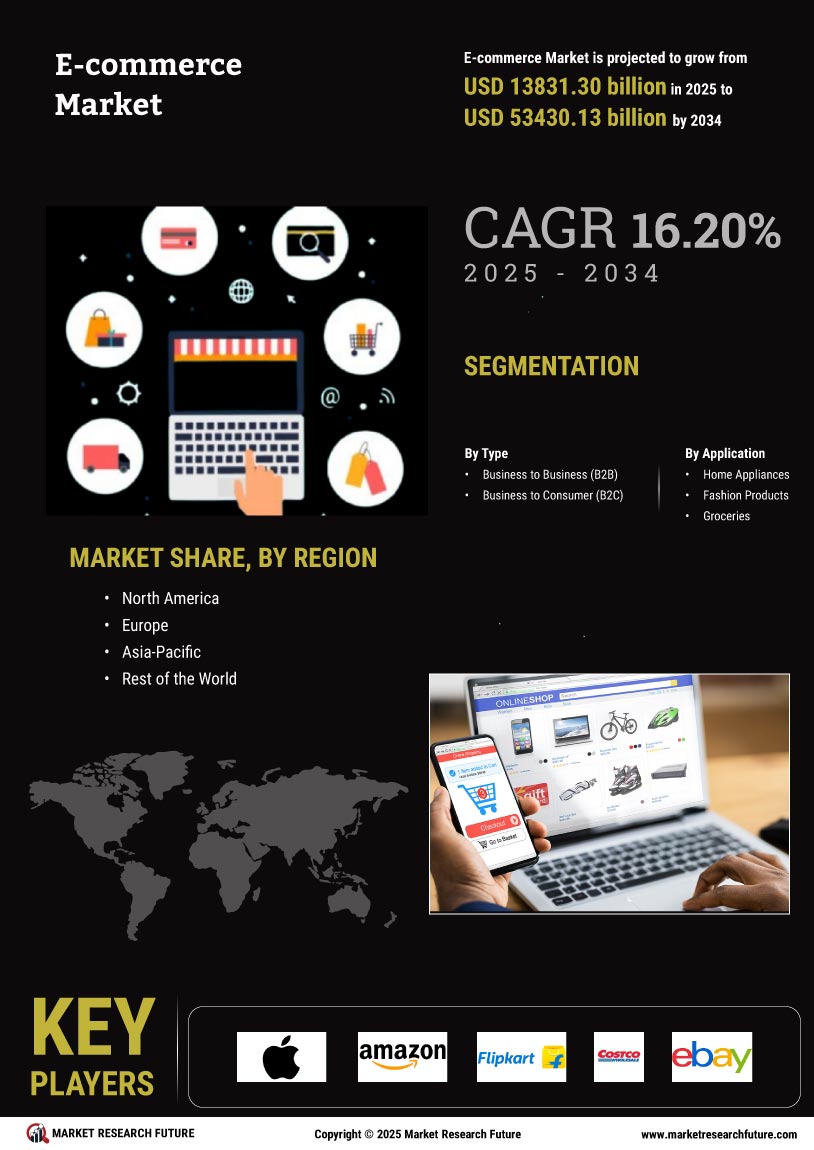
The E-commerce Market is no longer confined by geography; digital platforms enable businesses to reach customers worldwide. Global expansion has become a strategic priority, offering access to new revenue streams and untapped markets. With the right localization strategies, technology adoption, and operational planning, businesses can scale efficiently while providing consistent and satisfying customer experiences across regions.
Cross-border e-commerce is a major growth driver. Consumers in emerging markets increasingly access global brands, seeking variety, quality, and convenience. Companies that integrate local payment systems, translate content into regional languages, and tailor offerings to cultural preferences gain a significant advantage. Understanding regional behaviors, holidays, and shopping patterns is essential for designing marketing campaigns that resonate with diverse audiences.
Logistics and fulfillment play a pivotal role in global expansion. Efficient international shipping, customs clearance, and real-time tracking are critical for customer satisfaction. Businesses investing in robust supply chain infrastructure and partnering with reliable carriers can reduce delays and improve delivery reliability. Additionally, sustainable shipping solutions are increasingly important, as consumers value brands with environmentally responsible practices.
Technology facilitates global e-commerce operations. Multi-currency payment systems, AI-driven demand forecasting, and cloud-based inventory management help businesses scale internationally. Data analytics provides insights into consumer preferences across regions, enabling targeted marketing and product assortment strategies. Companies leveraging technology effectively can maintain efficiency while offering personalized experiences to a global audience.
Social commerce is also reshaping global expansion strategies. Brands can engage international customers through social media platforms, leveraging localized content, influencers, and live events. Social commerce merges marketing and direct sales, providing a seamless path from discovery to purchase. Companies integrating social commerce into their global strategy can build brand awareness and accelerate market penetration.
Mobile-first approaches are critical for reaching global consumers. In many regions, smartphones are the primary device for online shopping. Optimized apps, responsive websites, and secure mobile payment options ensure a smooth shopping experience. Push notifications, loyalty programs, and mobile-exclusive offers can enhance engagement and drive repeat purchases.
The future of the e-commerce market on a global scale lies in continuous innovation. Augmented reality, AI-driven personalization, and voice commerce will enhance the shopping experience worldwide. Businesses that prioritize cultural adaptation, seamless logistics, and technological integration are well-positioned to capture international market share. Global expansion in e-commerce is not just about reaching new customers—it’s about building lasting connections and delivering experiences that resonate across borders.@https://www.marketresearchfuture.com/reports/e-commerce-market-18845
Cross-border e-commerce is a major growth driver. Consumers in emerging markets increasingly access global brands, seeking variety, quality, and convenience. Companies that integrate local payment systems, translate content into regional languages, and tailor offerings to cultural preferences gain a significant advantage. Understanding regional behaviors, holidays, and shopping patterns is essential for designing marketing campaigns that resonate with diverse audiences.
Logistics and fulfillment play a pivotal role in global expansion. Efficient international shipping, customs clearance, and real-time tracking are critical for customer satisfaction. Businesses investing in robust supply chain infrastructure and partnering with reliable carriers can reduce delays and improve delivery reliability. Additionally, sustainable shipping solutions are increasingly important, as consumers value brands with environmentally responsible practices.
Technology facilitates global e-commerce operations. Multi-currency payment systems, AI-driven demand forecasting, and cloud-based inventory management help businesses scale internationally. Data analytics provides insights into consumer preferences across regions, enabling targeted marketing and product assortment strategies. Companies leveraging technology effectively can maintain efficiency while offering personalized experiences to a global audience.
Social commerce is also reshaping global expansion strategies. Brands can engage international customers through social media platforms, leveraging localized content, influencers, and live events. Social commerce merges marketing and direct sales, providing a seamless path from discovery to purchase. Companies integrating social commerce into their global strategy can build brand awareness and accelerate market penetration.
Mobile-first approaches are critical for reaching global consumers. In many regions, smartphones are the primary device for online shopping. Optimized apps, responsive websites, and secure mobile payment options ensure a smooth shopping experience. Push notifications, loyalty programs, and mobile-exclusive offers can enhance engagement and drive repeat purchases.
The future of the e-commerce market on a global scale lies in continuous innovation. Augmented reality, AI-driven personalization, and voice commerce will enhance the shopping experience worldwide. Businesses that prioritize cultural adaptation, seamless logistics, and technological integration are well-positioned to capture international market share. Global expansion in e-commerce is not just about reaching new customers—it’s about building lasting connections and delivering experiences that resonate across borders.@https://www.marketresearchfuture.com/reports/e-commerce-market-18845
The E-commerce Market is no longer confined by geography; digital platforms enable businesses to reach customers worldwide. Global expansion has become a strategic priority, offering access to new revenue streams and untapped markets. With the right localization strategies, technology adoption, and operational planning, businesses can scale efficiently while providing consistent and satisfying customer experiences across regions.
Cross-border e-commerce is a major growth driver. Consumers in emerging markets increasingly access global brands, seeking variety, quality, and convenience. Companies that integrate local payment systems, translate content into regional languages, and tailor offerings to cultural preferences gain a significant advantage. Understanding regional behaviors, holidays, and shopping patterns is essential for designing marketing campaigns that resonate with diverse audiences.
Logistics and fulfillment play a pivotal role in global expansion. Efficient international shipping, customs clearance, and real-time tracking are critical for customer satisfaction. Businesses investing in robust supply chain infrastructure and partnering with reliable carriers can reduce delays and improve delivery reliability. Additionally, sustainable shipping solutions are increasingly important, as consumers value brands with environmentally responsible practices.
Technology facilitates global e-commerce operations. Multi-currency payment systems, AI-driven demand forecasting, and cloud-based inventory management help businesses scale internationally. Data analytics provides insights into consumer preferences across regions, enabling targeted marketing and product assortment strategies. Companies leveraging technology effectively can maintain efficiency while offering personalized experiences to a global audience.
Social commerce is also reshaping global expansion strategies. Brands can engage international customers through social media platforms, leveraging localized content, influencers, and live events. Social commerce merges marketing and direct sales, providing a seamless path from discovery to purchase. Companies integrating social commerce into their global strategy can build brand awareness and accelerate market penetration.
Mobile-first approaches are critical for reaching global consumers. In many regions, smartphones are the primary device for online shopping. Optimized apps, responsive websites, and secure mobile payment options ensure a smooth shopping experience. Push notifications, loyalty programs, and mobile-exclusive offers can enhance engagement and drive repeat purchases.
The future of the e-commerce market on a global scale lies in continuous innovation. Augmented reality, AI-driven personalization, and voice commerce will enhance the shopping experience worldwide. Businesses that prioritize cultural adaptation, seamless logistics, and technological integration are well-positioned to capture international market share. Global expansion in e-commerce is not just about reaching new customers—it’s about building lasting connections and delivering experiences that resonate across borders.@https://www.marketresearchfuture.com/reports/e-commerce-market-18845
0 Commentaires
·0 Parts
·91 Vue
·0 Aperçu