



-
The security printing market is poised for significant growth and transformation in the coming years. As the demand for secure documents continues to rise, innovations in technology and shifts in consumer preferences will play a crucial role in shaping the future of the industry. This article explores the key trends and predictions for the security printing market.
Innovative solutions are at the forefront of the security printing market's evolution. Advances in printing technology, such as digital printing and 3D printing, are enabling manufacturers to produce highly secure documents with enhanced features. Digital printing allows for on-demand production and customization, making it easier for organizations to meet specific security needs. As these technologies continue to develop, the security printing market will likely see increased efficiency and reduced costs.
Sustainability is becoming an essential consideration in the security printing market. As environmental concerns gain prominence, manufacturers are increasingly adopting eco-friendly practices and materials. This includes using recyclable substrates, environmentally friendly inks, and energy-efficient production methods. Companies that prioritize sustainability are likely to attract environmentally conscious consumers and gain a competitive advantage in the market.
Collaborations and partnerships within the security printing industry are also expected to drive innovation. As companies seek to enhance their security offerings, collaborations with technology providers and research institutions can lead to the development of cutting-edge security features. These partnerships can facilitate knowledge sharing and accelerate the adoption of new technologies, ultimately benefiting the industry as a whole.@https://www.marketresearchfuture.com/reports/security-printing-market-33539
The security printing market is poised for significant growth and transformation in the coming years. As the demand for secure documents continues to rise, innovations in technology and shifts in consumer preferences will play a crucial role in shaping the future of the industry. This article explores the key trends and predictions for the security printing market. Innovative solutions are at the forefront of the security printing market's evolution. Advances in printing technology, such as digital printing and 3D printing, are enabling manufacturers to produce highly secure documents with enhanced features. Digital printing allows for on-demand production and customization, making it easier for organizations to meet specific security needs. As these technologies continue to develop, the security printing market will likely see increased efficiency and reduced costs. Sustainability is becoming an essential consideration in the security printing market. As environmental concerns gain prominence, manufacturers are increasingly adopting eco-friendly practices and materials. This includes using recyclable substrates, environmentally friendly inks, and energy-efficient production methods. Companies that prioritize sustainability are likely to attract environmentally conscious consumers and gain a competitive advantage in the market. Collaborations and partnerships within the security printing industry are also expected to drive innovation. As companies seek to enhance their security offerings, collaborations with technology providers and research institutions can lead to the development of cutting-edge security features. These partnerships can facilitate knowledge sharing and accelerate the adoption of new technologies, ultimately benefiting the industry as a whole.@https://www.marketresearchfuture.com/reports/security-printing-market-335390 Commenti ·0 condivisioni ·73 Views ·0 Anteprima -
The Security Assessment Market has grown significantly in recent years, driven by increasing cyber threats and the need for organizations to protect their data and infrastructure. As businesses increasingly rely on digital solutions, the demand for comprehensive security assessments has surged. Security assessments are systematic evaluations of an organization's information systems, processes, and policies to identify vulnerabilities and weaknesses. These assessments can take various forms, including vulnerability assessments, penetration testing, security audits, and risk assessments. Organizations conduct these evaluations to ensure that their security measures are effective and to comply with industry regulations and standards.
Several factors contribute to the rapid growth of the security assessment market. First and foremost is the increasing frequency and sophistication of cyberattacks. Organizations across all sectors face threats from hackers, malware, ransomware, and insider threats. As a result, there is a pressing need for robust security measures, which has led to a surge in demand for security assessments. Another critical driver is the rise of regulatory requirements. Governments and industry bodies worldwide are implementing stricter regulations regarding data protection and cybersecurity. For instance, the General Data Protection Regulation (GDPR) in Europe mandates that organizations take adequate measures to protect personal data. Compliance with such regulations often requires regular security assessments, further fueling market growth. Additionally, the rapid adoption of cloud computing and digital transformation initiatives has expanded the attack surface for organizations. As businesses migrate to the cloud and adopt new technologies, they must assess their security posture continuously. This ongoing need for assessment contributes to the market's expansion.@https://www.marketresearchfuture.com/reports/security-assessment-market-32729
The Security Assessment Market has grown significantly in recent years, driven by increasing cyber threats and the need for organizations to protect their data and infrastructure. As businesses increasingly rely on digital solutions, the demand for comprehensive security assessments has surged. Security assessments are systematic evaluations of an organization's information systems, processes, and policies to identify vulnerabilities and weaknesses. These assessments can take various forms, including vulnerability assessments, penetration testing, security audits, and risk assessments. Organizations conduct these evaluations to ensure that their security measures are effective and to comply with industry regulations and standards. Several factors contribute to the rapid growth of the security assessment market. First and foremost is the increasing frequency and sophistication of cyberattacks. Organizations across all sectors face threats from hackers, malware, ransomware, and insider threats. As a result, there is a pressing need for robust security measures, which has led to a surge in demand for security assessments. Another critical driver is the rise of regulatory requirements. Governments and industry bodies worldwide are implementing stricter regulations regarding data protection and cybersecurity. For instance, the General Data Protection Regulation (GDPR) in Europe mandates that organizations take adequate measures to protect personal data. Compliance with such regulations often requires regular security assessments, further fueling market growth. Additionally, the rapid adoption of cloud computing and digital transformation initiatives has expanded the attack surface for organizations. As businesses migrate to the cloud and adopt new technologies, they must assess their security posture continuously. This ongoing need for assessment contributes to the market's expansion.@https://www.marketresearchfuture.com/reports/security-assessment-market-327290 Commenti ·0 condivisioni ·72 Views ·0 Anteprima -
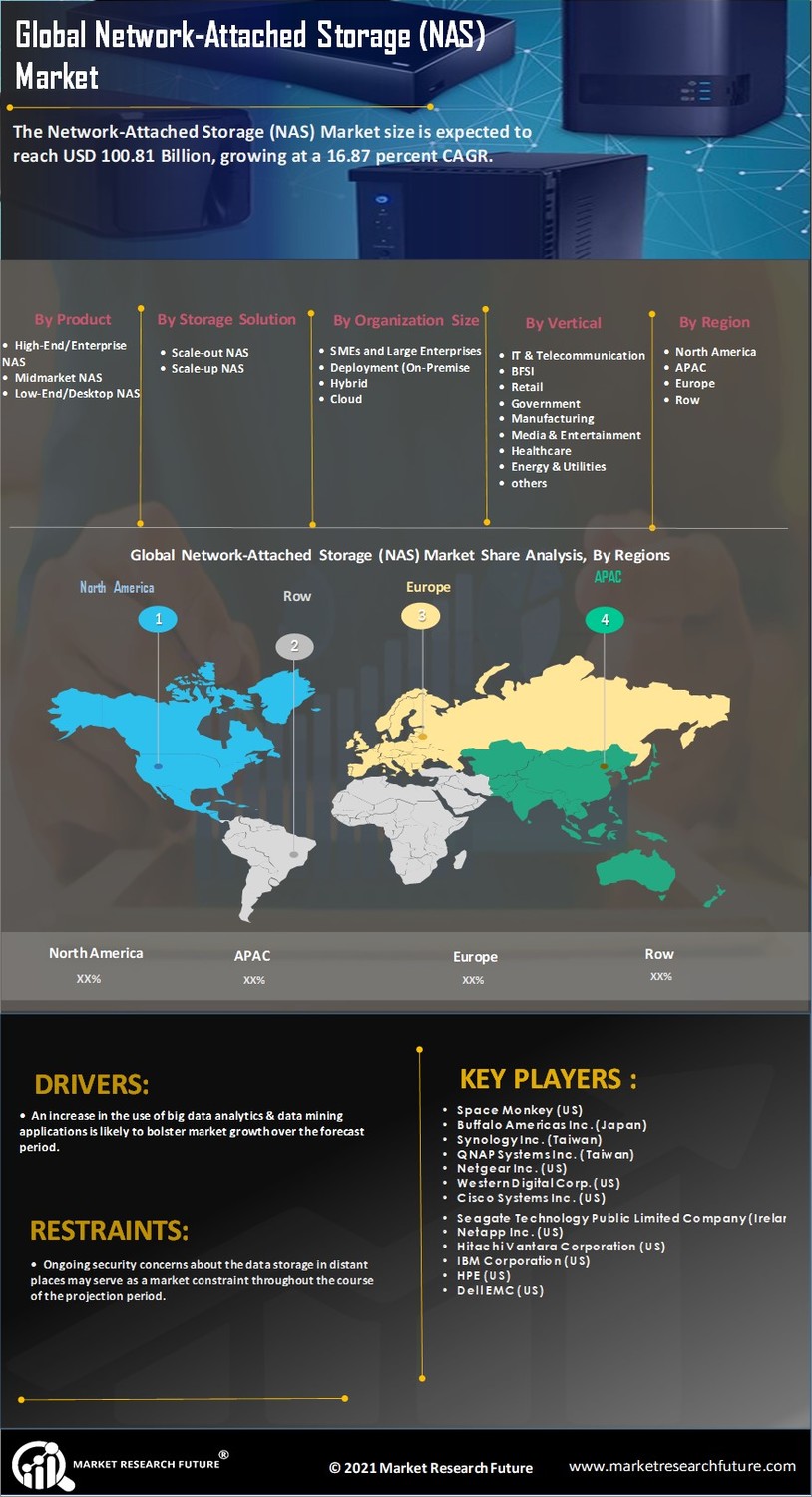
The Network-Attached Storage Market is experiencing varied growth across regions, driven by technology adoption, enterprise digitization, and data-driven business strategies. North America leads the market, with organizations leveraging NAS solutions to support cloud integration, edge computing, and advanced data analytics. The presence of major NAS vendors and a high concentration of enterprises investing in IT infrastructure further bolsters regional growth.
Europe follows closely, with increased adoption in countries such as Germany, the UK, and France. Organizations are increasingly focusing on data compliance, secure storage, and sustainability, making NAS a preferred choice for both enterprises and SMEs. Regional growth is further supported by government initiatives promoting digital transformation and smart city projects.
The Asia-Pacific region is witnessing the fastest growth in the NAS market. Rapid industrialization, expanding IT infrastructure, and the proliferation of digital services drive demand for scalable storage solutions. Countries like China, Japan, and India are investing heavily in data centers, cloud computing, and edge technologies, creating strong opportunities for NAS vendors. SMEs in the region are also adopting NAS systems to modernize their IT operations and improve competitiveness.
Latin America and the Middle East & Africa are emerging markets for NAS solutions. Increased focus on IT modernization, growing data volumes, and adoption of cloud-based services are fueling demand. While market penetration is currently lower than in North America and Europe, the potential for growth is significant as digital transformation accelerates.
Overall, regional insights highlight a diverse NAS landscape. While mature markets focus on innovation, security, and hybrid cloud strategies, emerging regions present growth opportunities driven by IT adoption and digital transformation. NAS vendors that tailor solutions to regional needs are likely to capture substantial market share.@https://www.marketresearchfuture.com/reports/network-attached-storage-market-3814
The Network-Attached Storage Market is experiencing varied growth across regions, driven by technology adoption, enterprise digitization, and data-driven business strategies. North America leads the market, with organizations leveraging NAS solutions to support cloud integration, edge computing, and advanced data analytics. The presence of major NAS vendors and a high concentration of enterprises investing in IT infrastructure further bolsters regional growth. Europe follows closely, with increased adoption in countries such as Germany, the UK, and France. Organizations are increasingly focusing on data compliance, secure storage, and sustainability, making NAS a preferred choice for both enterprises and SMEs. Regional growth is further supported by government initiatives promoting digital transformation and smart city projects. The Asia-Pacific region is witnessing the fastest growth in the NAS market. Rapid industrialization, expanding IT infrastructure, and the proliferation of digital services drive demand for scalable storage solutions. Countries like China, Japan, and India are investing heavily in data centers, cloud computing, and edge technologies, creating strong opportunities for NAS vendors. SMEs in the region are also adopting NAS systems to modernize their IT operations and improve competitiveness. Latin America and the Middle East & Africa are emerging markets for NAS solutions. Increased focus on IT modernization, growing data volumes, and adoption of cloud-based services are fueling demand. While market penetration is currently lower than in North America and Europe, the potential for growth is significant as digital transformation accelerates. Overall, regional insights highlight a diverse NAS landscape. While mature markets focus on innovation, security, and hybrid cloud strategies, emerging regions present growth opportunities driven by IT adoption and digital transformation. NAS vendors that tailor solutions to regional needs are likely to capture substantial market share.@https://www.marketresearchfuture.com/reports/network-attached-storage-market-38140 Commenti ·0 condivisioni ·94 Views ·0 Anteprima -
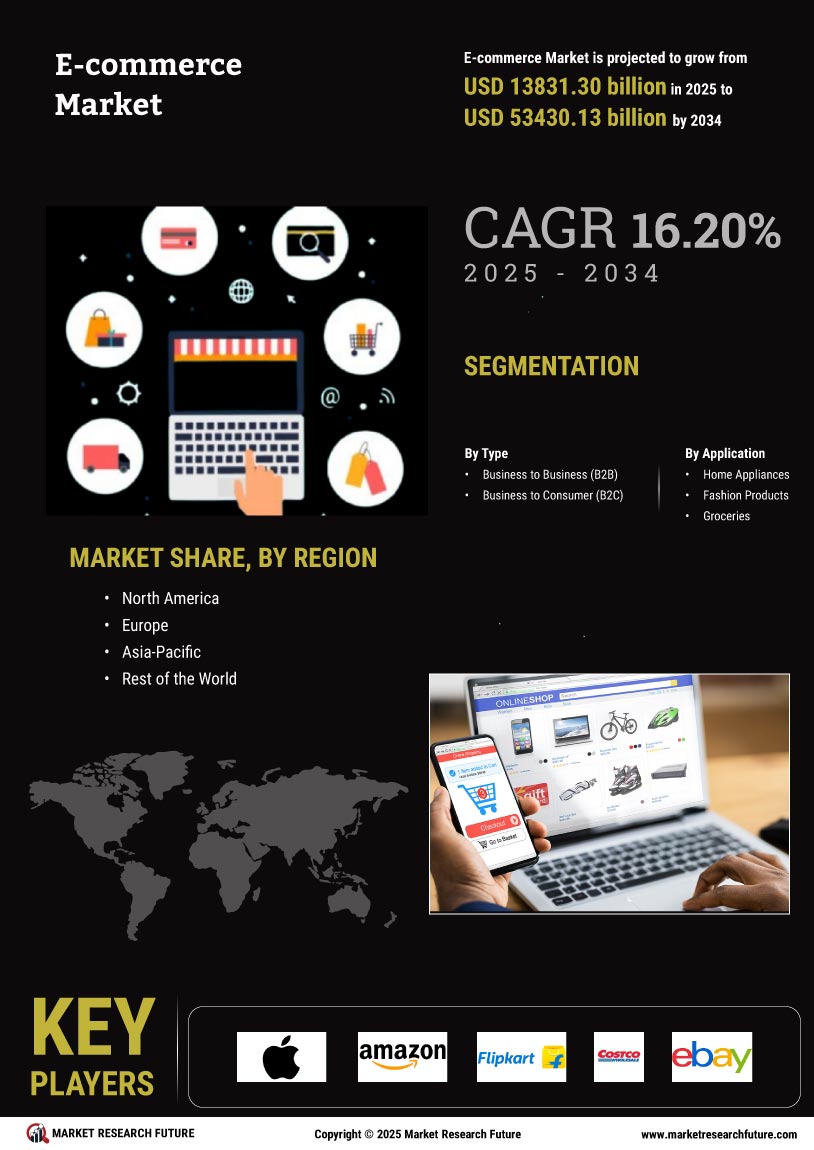
The E-commerce Market is no longer confined by geography; digital platforms enable businesses to reach customers worldwide. Global expansion has become a strategic priority, offering access to new revenue streams and untapped markets. With the right localization strategies, technology adoption, and operational planning, businesses can scale efficiently while providing consistent and satisfying customer experiences across regions.
Cross-border e-commerce is a major growth driver. Consumers in emerging markets increasingly access global brands, seeking variety, quality, and convenience. Companies that integrate local payment systems, translate content into regional languages, and tailor offerings to cultural preferences gain a significant advantage. Understanding regional behaviors, holidays, and shopping patterns is essential for designing marketing campaigns that resonate with diverse audiences.
Logistics and fulfillment play a pivotal role in global expansion. Efficient international shipping, customs clearance, and real-time tracking are critical for customer satisfaction. Businesses investing in robust supply chain infrastructure and partnering with reliable carriers can reduce delays and improve delivery reliability. Additionally, sustainable shipping solutions are increasingly important, as consumers value brands with environmentally responsible practices.
Technology facilitates global e-commerce operations. Multi-currency payment systems, AI-driven demand forecasting, and cloud-based inventory management help businesses scale internationally. Data analytics provides insights into consumer preferences across regions, enabling targeted marketing and product assortment strategies. Companies leveraging technology effectively can maintain efficiency while offering personalized experiences to a global audience.
Social commerce is also reshaping global expansion strategies. Brands can engage international customers through social media platforms, leveraging localized content, influencers, and live events. Social commerce merges marketing and direct sales, providing a seamless path from discovery to purchase. Companies integrating social commerce into their global strategy can build brand awareness and accelerate market penetration.
Mobile-first approaches are critical for reaching global consumers. In many regions, smartphones are the primary device for online shopping. Optimized apps, responsive websites, and secure mobile payment options ensure a smooth shopping experience. Push notifications, loyalty programs, and mobile-exclusive offers can enhance engagement and drive repeat purchases.
The future of the e-commerce market on a global scale lies in continuous innovation. Augmented reality, AI-driven personalization, and voice commerce will enhance the shopping experience worldwide. Businesses that prioritize cultural adaptation, seamless logistics, and technological integration are well-positioned to capture international market share. Global expansion in e-commerce is not just about reaching new customers—it’s about building lasting connections and delivering experiences that resonate across borders.@https://www.marketresearchfuture.com/reports/e-commerce-market-18845
The E-commerce Market is no longer confined by geography; digital platforms enable businesses to reach customers worldwide. Global expansion has become a strategic priority, offering access to new revenue streams and untapped markets. With the right localization strategies, technology adoption, and operational planning, businesses can scale efficiently while providing consistent and satisfying customer experiences across regions. Cross-border e-commerce is a major growth driver. Consumers in emerging markets increasingly access global brands, seeking variety, quality, and convenience. Companies that integrate local payment systems, translate content into regional languages, and tailor offerings to cultural preferences gain a significant advantage. Understanding regional behaviors, holidays, and shopping patterns is essential for designing marketing campaigns that resonate with diverse audiences. Logistics and fulfillment play a pivotal role in global expansion. Efficient international shipping, customs clearance, and real-time tracking are critical for customer satisfaction. Businesses investing in robust supply chain infrastructure and partnering with reliable carriers can reduce delays and improve delivery reliability. Additionally, sustainable shipping solutions are increasingly important, as consumers value brands with environmentally responsible practices. Technology facilitates global e-commerce operations. Multi-currency payment systems, AI-driven demand forecasting, and cloud-based inventory management help businesses scale internationally. Data analytics provides insights into consumer preferences across regions, enabling targeted marketing and product assortment strategies. Companies leveraging technology effectively can maintain efficiency while offering personalized experiences to a global audience. Social commerce is also reshaping global expansion strategies. Brands can engage international customers through social media platforms, leveraging localized content, influencers, and live events. Social commerce merges marketing and direct sales, providing a seamless path from discovery to purchase. Companies integrating social commerce into their global strategy can build brand awareness and accelerate market penetration. Mobile-first approaches are critical for reaching global consumers. In many regions, smartphones are the primary device for online shopping. Optimized apps, responsive websites, and secure mobile payment options ensure a smooth shopping experience. Push notifications, loyalty programs, and mobile-exclusive offers can enhance engagement and drive repeat purchases. The future of the e-commerce market on a global scale lies in continuous innovation. Augmented reality, AI-driven personalization, and voice commerce will enhance the shopping experience worldwide. Businesses that prioritize cultural adaptation, seamless logistics, and technological integration are well-positioned to capture international market share. Global expansion in e-commerce is not just about reaching new customers—it’s about building lasting connections and delivering experiences that resonate across borders.@https://www.marketresearchfuture.com/reports/e-commerce-market-188450 Commenti ·0 condivisioni ·91 Views ·0 Anteprima -
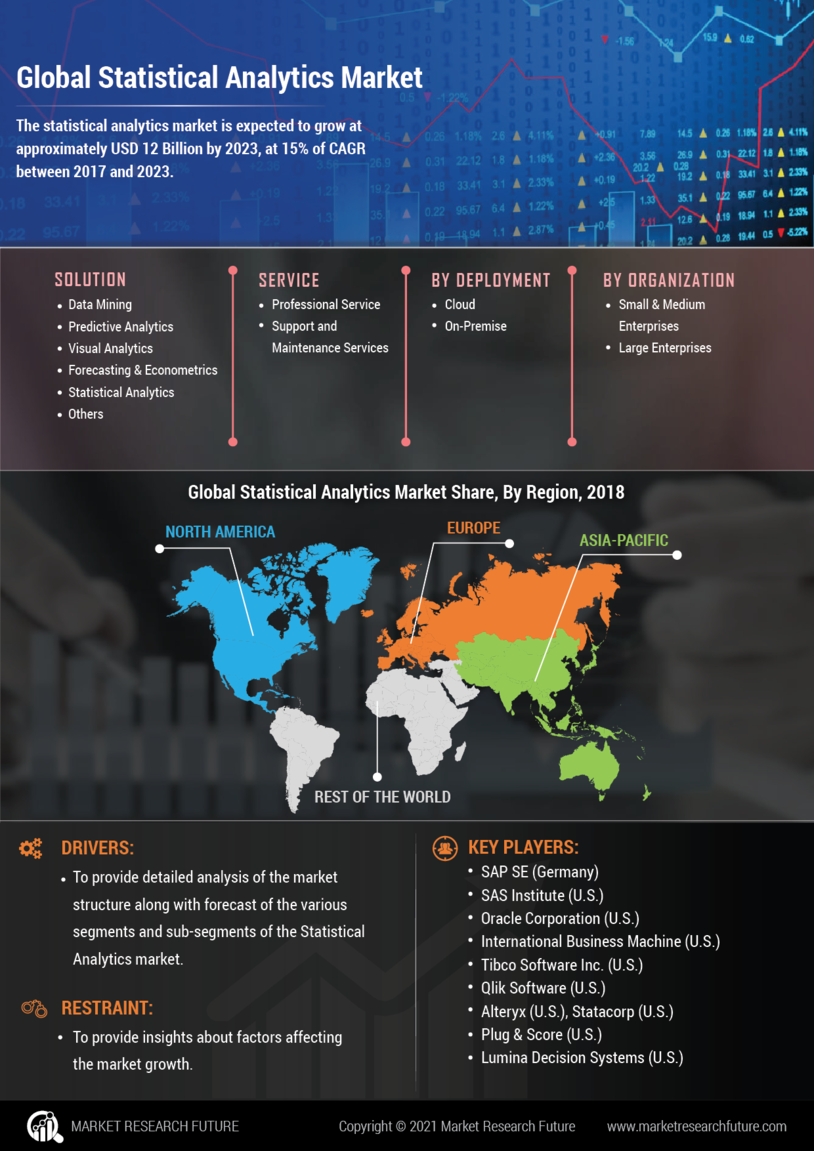
The Statistical Analytics Market exhibits diverse growth patterns across regions, shaped by economic development, technological adoption, and regulatory environments. Understanding regional dynamics provides valuable insights into global market expansion.
North America leads in adoption due to strong technological infrastructure and a mature analytics ecosystem. Organizations in the region invest heavily in data-driven strategies, supported by skilled professionals and advanced tools.
Europe demonstrates steady growth driven by regulatory compliance and digital transformation initiatives. Statistical analytics plays a critical role in meeting data protection and reporting requirements while supporting innovation.
Asia-Pacific represents a rapidly growing region fueled by digitalization, expanding enterprises, and government initiatives. Emerging economies are increasingly adopting statistical analytics to improve competitiveness and efficiency.
Latin America and the Middle East are witnessing gradual adoption as organizations modernize operations. Investments in analytics education and infrastructure are contributing to market growth in these regions.
Regional variations highlight the importance of localized strategies. Vendors and organizations must tailor solutions to regional needs, regulations, and market maturity levels.@https://www.marketresearchfuture.com/reports/statistical-analytics-market-4167
The Statistical Analytics Market exhibits diverse growth patterns across regions, shaped by economic development, technological adoption, and regulatory environments. Understanding regional dynamics provides valuable insights into global market expansion. North America leads in adoption due to strong technological infrastructure and a mature analytics ecosystem. Organizations in the region invest heavily in data-driven strategies, supported by skilled professionals and advanced tools. Europe demonstrates steady growth driven by regulatory compliance and digital transformation initiatives. Statistical analytics plays a critical role in meeting data protection and reporting requirements while supporting innovation. Asia-Pacific represents a rapidly growing region fueled by digitalization, expanding enterprises, and government initiatives. Emerging economies are increasingly adopting statistical analytics to improve competitiveness and efficiency. Latin America and the Middle East are witnessing gradual adoption as organizations modernize operations. Investments in analytics education and infrastructure are contributing to market growth in these regions. Regional variations highlight the importance of localized strategies. Vendors and organizations must tailor solutions to regional needs, regulations, and market maturity levels.@https://www.marketresearchfuture.com/reports/statistical-analytics-market-41670 Commenti ·0 condivisioni ·92 Views ·0 Anteprima -
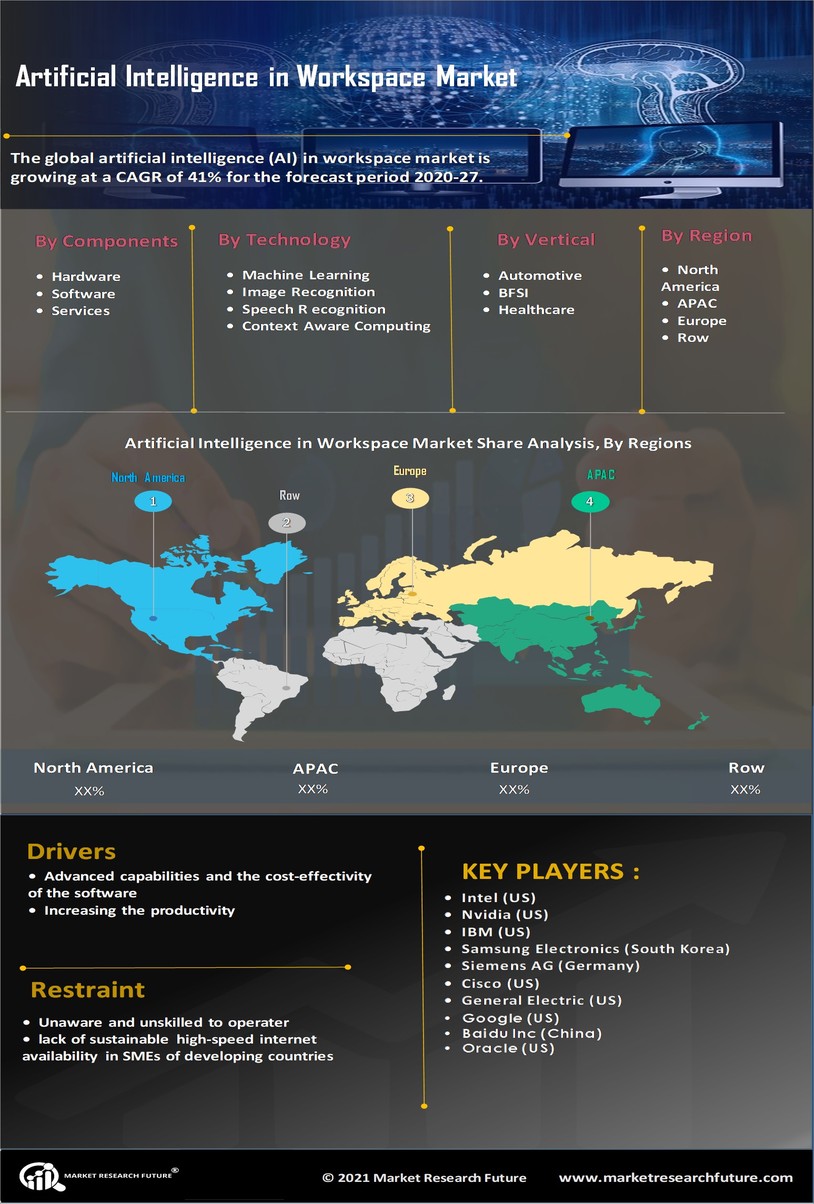
The Artificial Intelligence in Workspace Market is reshaping employee experience and engagement by integrating smart technologies that facilitate seamless workflows, personalized learning, and efficient communication. AI solutions empower employees by automating repetitive tasks, providing real-time insights, and fostering a more engaging and productive work environment.
Employee engagement is being positively impacted through AI-driven feedback mechanisms. Intelligent systems collect and analyze data on employee performance, satisfaction, and workload, allowing managers to implement targeted improvements. Personalized training and development programs ensure employees receive relevant learning opportunities tailored to their needs.
Collaboration is another area where AI enhances the employee experience. Virtual assistants schedule meetings, track project deadlines, and manage task assignments, enabling teams to work more effectively. AI-powered communication platforms ensure that information is accessible and actionable, reducing delays and misunderstandings.
The market sees increasing adoption of AI solutions that promote mental well-being and work-life balance. Intelligent tools can identify signs of stress, recommend workload adjustments, and suggest productivity strategies, creating healthier workplace dynamics. This, in turn, improves retention and overall job satisfaction.
Industry-specific applications enhance employee experience further. Healthcare organizations implement AI to optimize shift scheduling, while finance and IT sectors utilize AI for task automation and knowledge management. Employees benefit from increased efficiency, better decision-making support, and the ability to focus on strategic work.@https://www.marketresearchfuture.com/reports/artificial-intelligence-in-workspace-market-7310
The Artificial Intelligence in Workspace Market is reshaping employee experience and engagement by integrating smart technologies that facilitate seamless workflows, personalized learning, and efficient communication. AI solutions empower employees by automating repetitive tasks, providing real-time insights, and fostering a more engaging and productive work environment. Employee engagement is being positively impacted through AI-driven feedback mechanisms. Intelligent systems collect and analyze data on employee performance, satisfaction, and workload, allowing managers to implement targeted improvements. Personalized training and development programs ensure employees receive relevant learning opportunities tailored to their needs. Collaboration is another area where AI enhances the employee experience. Virtual assistants schedule meetings, track project deadlines, and manage task assignments, enabling teams to work more effectively. AI-powered communication platforms ensure that information is accessible and actionable, reducing delays and misunderstandings. The market sees increasing adoption of AI solutions that promote mental well-being and work-life balance. Intelligent tools can identify signs of stress, recommend workload adjustments, and suggest productivity strategies, creating healthier workplace dynamics. This, in turn, improves retention and overall job satisfaction. Industry-specific applications enhance employee experience further. Healthcare organizations implement AI to optimize shift scheduling, while finance and IT sectors utilize AI for task automation and knowledge management. Employees benefit from increased efficiency, better decision-making support, and the ability to focus on strategic work.@https://www.marketresearchfuture.com/reports/artificial-intelligence-in-workspace-market-73100 Commenti ·0 condivisioni ·92 Views ·0 Anteprima -
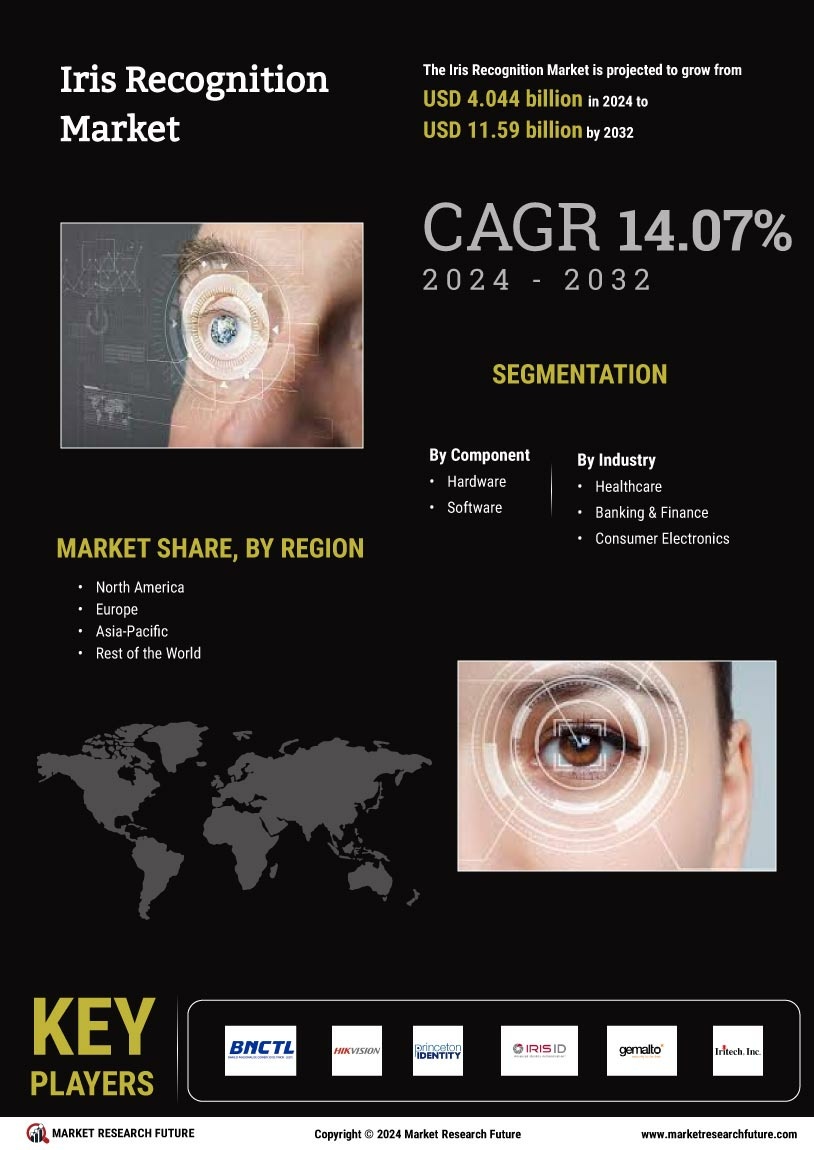
The Iris Recognition Market is highly competitive, with several global and regional players driving innovation, strategic partnerships, and market expansion. Companies are focusing on advanced technology development, multi-modal biometric solutions, and strategic collaborations to gain a competitive edge. As organizations prioritize secure identity verification, understanding the competitive landscape is crucial for businesses seeking growth opportunities in this dynamic market.
Key players in the market are investing heavily in research and development to improve accuracy, speed, and user experience. Companies are integrating iris recognition with artificial intelligence, machine learning, and cloud platforms to provide scalable and robust solutions. Partnerships with governments, defense agencies, and enterprises enable these players to expand deployment across multiple sectors, including border security, banking, healthcare, and commercial enterprises. Strategic collaborations with technology vendors, system integrators, and software developers enhance their offerings and strengthen market presence.@https://www.marketresearchfuture.com/reports/iris-recognition-market-2430
The Iris Recognition Market is highly competitive, with several global and regional players driving innovation, strategic partnerships, and market expansion. Companies are focusing on advanced technology development, multi-modal biometric solutions, and strategic collaborations to gain a competitive edge. As organizations prioritize secure identity verification, understanding the competitive landscape is crucial for businesses seeking growth opportunities in this dynamic market. Key players in the market are investing heavily in research and development to improve accuracy, speed, and user experience. Companies are integrating iris recognition with artificial intelligence, machine learning, and cloud platforms to provide scalable and robust solutions. Partnerships with governments, defense agencies, and enterprises enable these players to expand deployment across multiple sectors, including border security, banking, healthcare, and commercial enterprises. Strategic collaborations with technology vendors, system integrators, and software developers enhance their offerings and strengthen market presence.@https://www.marketresearchfuture.com/reports/iris-recognition-market-24300 Commenti ·0 condivisioni ·87 Views ·0 Anteprima -
Web To Print W2P Software Market is characterized by intense competition, with several global and regional players offering solutions designed to meet the growing demand for online customization and print-on-demand services. Understanding the competitive landscape is critical for businesses seeking to adopt W2P software and for vendors aiming to expand market share.
Key players in the market differentiate themselves through technology, ease of use, scalability, and integration capabilities. Many companies focus on providing cloud-based platforms that support real-time customization, mobile access, and seamless integration with e-commerce and enterprise systems. Vendors are also investing in AI-powered tools, augmented reality previews, and automation features to enhance the user experience and reduce operational costs.
Competitive strategies often include partnerships with printers, e-commerce platforms, and graphic design software providers. Collaborations enable vendors to extend functionality, expand service offerings, and tap into new customer segments. Some companies focus on niche markets such as packaging, apparel, or corporate marketing materials to differentiate their offerings and establish a loyal customer base.
Price competitiveness is another key factor shaping the Web To Print W2P Software Market. Subscription-based models, pay-per-use plans, and tiered pricing structures allow vendors to attract businesses of all sizes. Smaller print shops can adopt scalable solutions without large upfront costs, while enterprise clients benefit from advanced features and dedicated support.
Innovation plays a central role in maintaining competitive advantage. Vendors constantly enhance design libraries, templates, and proofing capabilities to improve user engagement. Integration of AI-driven analytics, automated prepress workflows, and personalized recommendations helps retain customers and drive recurring revenue.
Customer support and service quality are also vital differentiators. Companies that provide onboarding, training, technical assistance, and responsive customer service are more likely to retain clients and achieve higher customer satisfaction rates. Cloud-based solutions simplify updates, security, and maintenance, allowing vendors to focus on delivering value-added services.
Geographic reach influences competitiveness as well. Global players targeting multiple regions must adapt to local languages, currencies, and regulatory requirements while maintaining a standardized platform. Regional vendors can leverage local knowledge and proximity to customers to provide personalized support and faster implementation.
In conclusion, the Web To Print W2P Software Market is highly competitive, driven by technology innovation, integration capabilities, pricing models, and customer service quality. Companies that invest in cutting-edge features, streamline workflows, and focus on customer experience are well-positioned to succeed in this dynamic and expanding market.@https://www.marketresearchfuture.com/reports/web-to-print-software-market-31218
Web To Print W2P Software Market is characterized by intense competition, with several global and regional players offering solutions designed to meet the growing demand for online customization and print-on-demand services. Understanding the competitive landscape is critical for businesses seeking to adopt W2P software and for vendors aiming to expand market share. Key players in the market differentiate themselves through technology, ease of use, scalability, and integration capabilities. Many companies focus on providing cloud-based platforms that support real-time customization, mobile access, and seamless integration with e-commerce and enterprise systems. Vendors are also investing in AI-powered tools, augmented reality previews, and automation features to enhance the user experience and reduce operational costs. Competitive strategies often include partnerships with printers, e-commerce platforms, and graphic design software providers. Collaborations enable vendors to extend functionality, expand service offerings, and tap into new customer segments. Some companies focus on niche markets such as packaging, apparel, or corporate marketing materials to differentiate their offerings and establish a loyal customer base. Price competitiveness is another key factor shaping the Web To Print W2P Software Market. Subscription-based models, pay-per-use plans, and tiered pricing structures allow vendors to attract businesses of all sizes. Smaller print shops can adopt scalable solutions without large upfront costs, while enterprise clients benefit from advanced features and dedicated support. Innovation plays a central role in maintaining competitive advantage. Vendors constantly enhance design libraries, templates, and proofing capabilities to improve user engagement. Integration of AI-driven analytics, automated prepress workflows, and personalized recommendations helps retain customers and drive recurring revenue. Customer support and service quality are also vital differentiators. Companies that provide onboarding, training, technical assistance, and responsive customer service are more likely to retain clients and achieve higher customer satisfaction rates. Cloud-based solutions simplify updates, security, and maintenance, allowing vendors to focus on delivering value-added services. Geographic reach influences competitiveness as well. Global players targeting multiple regions must adapt to local languages, currencies, and regulatory requirements while maintaining a standardized platform. Regional vendors can leverage local knowledge and proximity to customers to provide personalized support and faster implementation. In conclusion, the Web To Print W2P Software Market is highly competitive, driven by technology innovation, integration capabilities, pricing models, and customer service quality. Companies that invest in cutting-edge features, streamline workflows, and focus on customer experience are well-positioned to succeed in this dynamic and expanding market.@https://www.marketresearchfuture.com/reports/web-to-print-software-market-312180 Commenti ·0 condivisioni ·100 Views ·0 Anteprima -
Examining real-world examples of Business Productivity Software implementations provides valuable insights into how organizations can leverage these tools for success. Case studies highlight the practical benefits and lessons learned from adopting productivity software.
One notable example is Company A, a mid-sized marketing firm that implemented a project management tool to streamline its workflow. Prior to the adoption, the team struggled with communication and task tracking, leading to missed deadlines and frustrated employees. After implementing the software, the firm saw a significant improvement in project visibility and accountability. Team members could easily assign tasks, set deadlines, and track progress in real-time, resulting in a 30% increase in project completion rates.
Another case study involves Company B, a tech startup that adopted a collaboration platform to enhance team communication. The company faced challenges with remote work, as employees were dispersed across different locations. By using the collaboration software, the startup improved its internal communication and fostered a sense of community among team members. The result was a more engaged workforce and a 25% increase in overall productivity.
These case studies demonstrate the tangible benefits of implementing business productivity software. Organizations can learn from these examples by identifying their unique challenges and selecting tools that align with their operational needs. By doing so, they can enhance their efficiency and achieve their strategic objectives.@https://www.marketresearchfuture.com/reports/business-productivity-software-market-27468
Examining real-world examples of Business Productivity Software implementations provides valuable insights into how organizations can leverage these tools for success. Case studies highlight the practical benefits and lessons learned from adopting productivity software. One notable example is Company A, a mid-sized marketing firm that implemented a project management tool to streamline its workflow. Prior to the adoption, the team struggled with communication and task tracking, leading to missed deadlines and frustrated employees. After implementing the software, the firm saw a significant improvement in project visibility and accountability. Team members could easily assign tasks, set deadlines, and track progress in real-time, resulting in a 30% increase in project completion rates. Another case study involves Company B, a tech startup that adopted a collaboration platform to enhance team communication. The company faced challenges with remote work, as employees were dispersed across different locations. By using the collaboration software, the startup improved its internal communication and fostered a sense of community among team members. The result was a more engaged workforce and a 25% increase in overall productivity. These case studies demonstrate the tangible benefits of implementing business productivity software. Organizations can learn from these examples by identifying their unique challenges and selecting tools that align with their operational needs. By doing so, they can enhance their efficiency and achieve their strategic objectives.@https://www.marketresearchfuture.com/reports/business-productivity-software-market-274680 Commenti ·0 condivisioni ·98 Views ·0 Anteprima


Altre storie